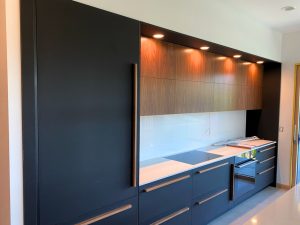

A few blogs ago, we talked about the Passive House concept, a rigorous energy standard for buildings that centers around five core principles to create a super-efficient, comfortable, and healthy indoor environment that dramatically reduces energy consumption for heating and cooling. So, lets dive into the five Passive House principles.
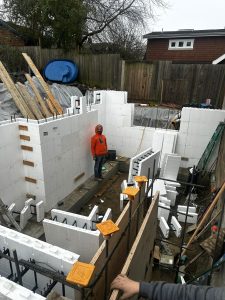
1. High-Performance Insulation
A core principle that is ultra-beneficial is having a heavily insulated home, from walls to roofs to floors. By making sure that you have high-quality insulation materials included in the build of your home, you can guarantee continuous comfort as the indoor temperature will retain heat during cold winters and keep out the heat of the summer.
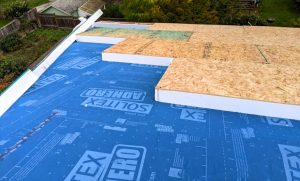
2. Airtight Construction
To ensure that you are truly minimizing heat loss, you will want to prevent any air leakage through a continuous airtight membrane. Since Passive Houses are airtight, they also maintain good air quality as fresh air is properly filtered through the controlled ventilation system and not affected by any gaps in the building envelope. An old building philosophy stated that “a house needs to breathe” but if we control moisture through passive diffusion, we can keep buildings dry and tight.
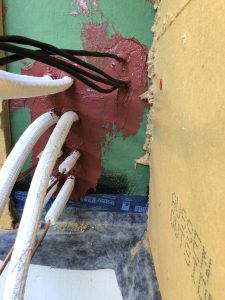
3. Thermal Bridge-Free Design
Even through these efforts, some heat loss is still possible. However, this loss can be minimized by eliminating thermal bridges, which are areas where heat can easily escape (such as poorly insulated connections). By carefully planning the details of the building, a thermal bridge-free design can enhance your high-performance insulation and comfortability within the home.
4. High-Quality Insulated Windows & Doors
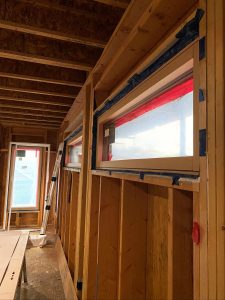
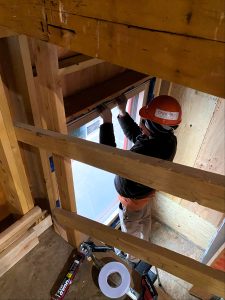
Airtight insulation is not only a part of the walls, roof, and floors. A Passive House’s windows and doors must also be well-insulated to further prevent any heat transfer, especially as these are the gateways to the home. This can be done with triple-pane windows and special coatings, as well as making sure that doors have airtight seals.
5. Heat Recovery Ventilation (HRV)
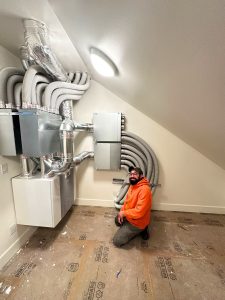
Heat Recovery Ventilation (HRV) is a true energy-efficient principle of the Passive House concept. The balanced ventilation system provides continuous, fresh filtered air while transferring heat from the outgoing stale air to the incoming fresh air. This saves energy by reducing heating requirements and even improves the air quality.
The Principles
With the five core principles of the Passive House concept, buildings are one step closer to becoming a certified Passive Home, through the organizations Passive House Institute (PHI) and Passive House Institute US (Phius). At Carlisle Classic Homes, we are always working hard to meet these standards, offering better-performing alternatives that are cost and energy-efficient.